%2Ffit-in%2F250x250%2Fguide_websites%2F2902%2Fimages%2Fmasi_boys_logo.png&w=1920&q=100)
/users/68058907-dff8-43e8-9200-41467a74728f/ratecard/3e56171c57f1ac57e6fe6f69691742a0.jpg)
%2F300x300%2Fusers%2F68058907-dff8-43e8-9200-41467a74728f%2Fratecard%2F3e56171c57f1ac57e6fe6f69691742a0.jpg&w=256&q=75)
%2F300x300%2Fusers%2F68058907-dff8-43e8-9200-41467a74728f%2Fimages%2Fsix-southern-flounder-bay-pines-3329.jpg&w=256&q=75)
%2F300x300%2Fusers%2F68058907-dff8-43e8-9200-41467a74728f%2Fimages%2Fbest-great-catch-florida-fish-3429.jpg&w=256&q=75)
%2F300x300%2Fusers%2F68058907-dff8-43e8-9200-41467a74728f%2Fimages%2Fbountiful-bay-pines-fishing-trip-3330.jpg&w=256&q=75)
%2F300x300%2Fusers%2F68058907-dff8-43e8-9200-41467a74728f%2Fimages%2Fgag-grouper-bay-pines-fishing-3509.jpg&w=256&q=75)
%2F300x300%2Fusers%2F68058907-dff8-43e8-9200-41467a74728f%2Fimages%2Fhogfish-caught-florida-2893.jpg&w=256&q=75)
%2F300x300%2Fusers%2F68058907-dff8-43e8-9200-41467a74728f%2Fimages%2Fsuccessful-fishing-trip-florida-2688.jpg&w=256&q=75)
%2F300x300%2Fusers%2F68058907-dff8-43e8-9200-41467a74728f%2Fimages%2Fflorida-fishing-outing-2415.jpeg&w=256&q=75)
%2F300x300%2Fusers%2F68058907-dff8-43e8-9200-41467a74728f%2Fimages%2Fangler-catches-gag-grouper-bay-2503.jpeg&w=256&q=75)
%2F300x300%2Fusers%2F68058907-dff8-43e8-9200-41467a74728f%2Fimages%2Ffishing-bay-pines-2376.jpeg&w=256&q=75)
%2F300x300%2Fusers%2F68058907-dff8-43e8-9200-41467a74728f%2Fimages%2Ffishing-bay-pines-2334.jpeg&w=256&q=75)
Tampa Bay's Best Inshore Fishing with Masi Boys

 St Petersburg
What you will be catching:
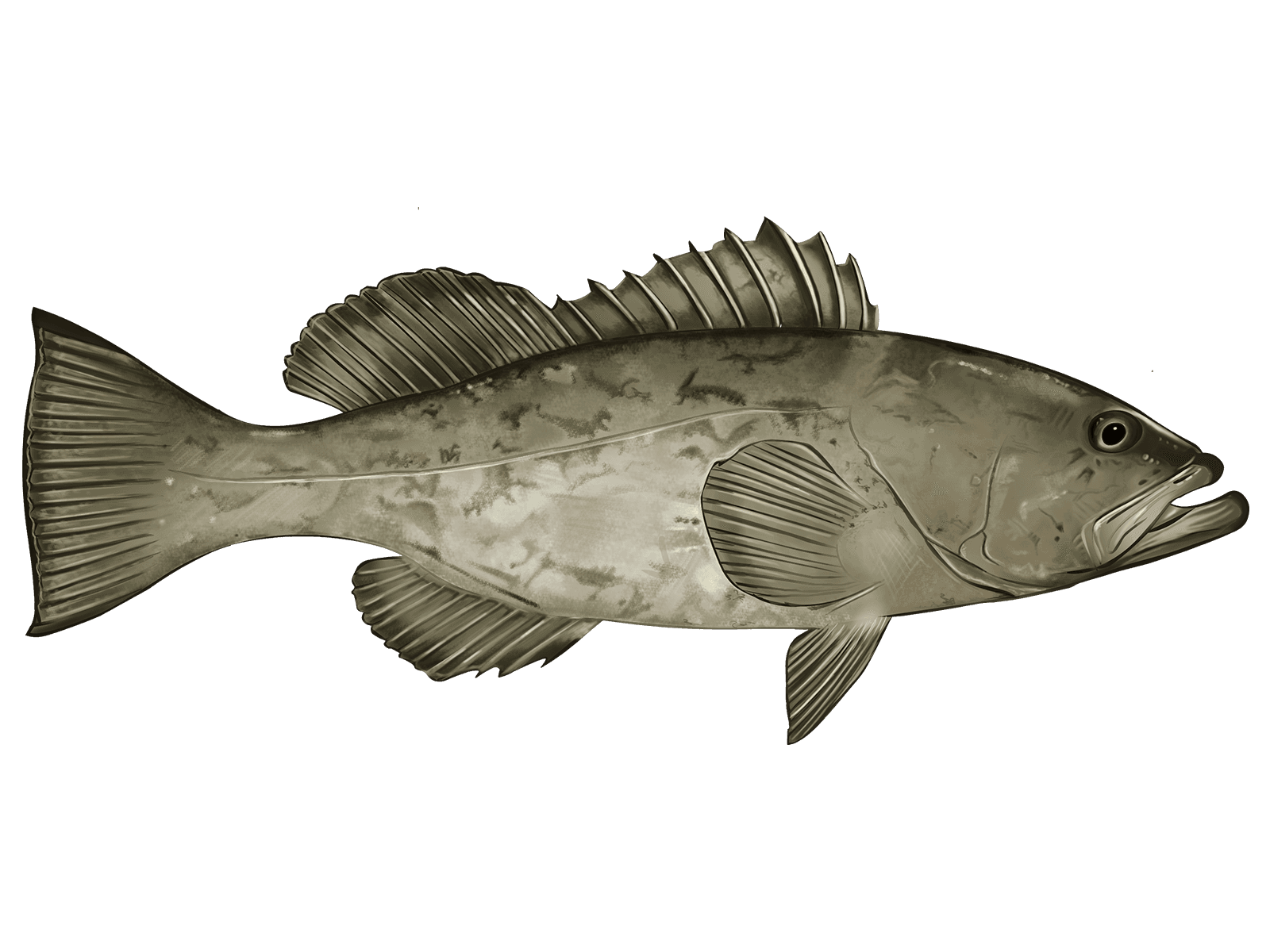
 Gag Grouper
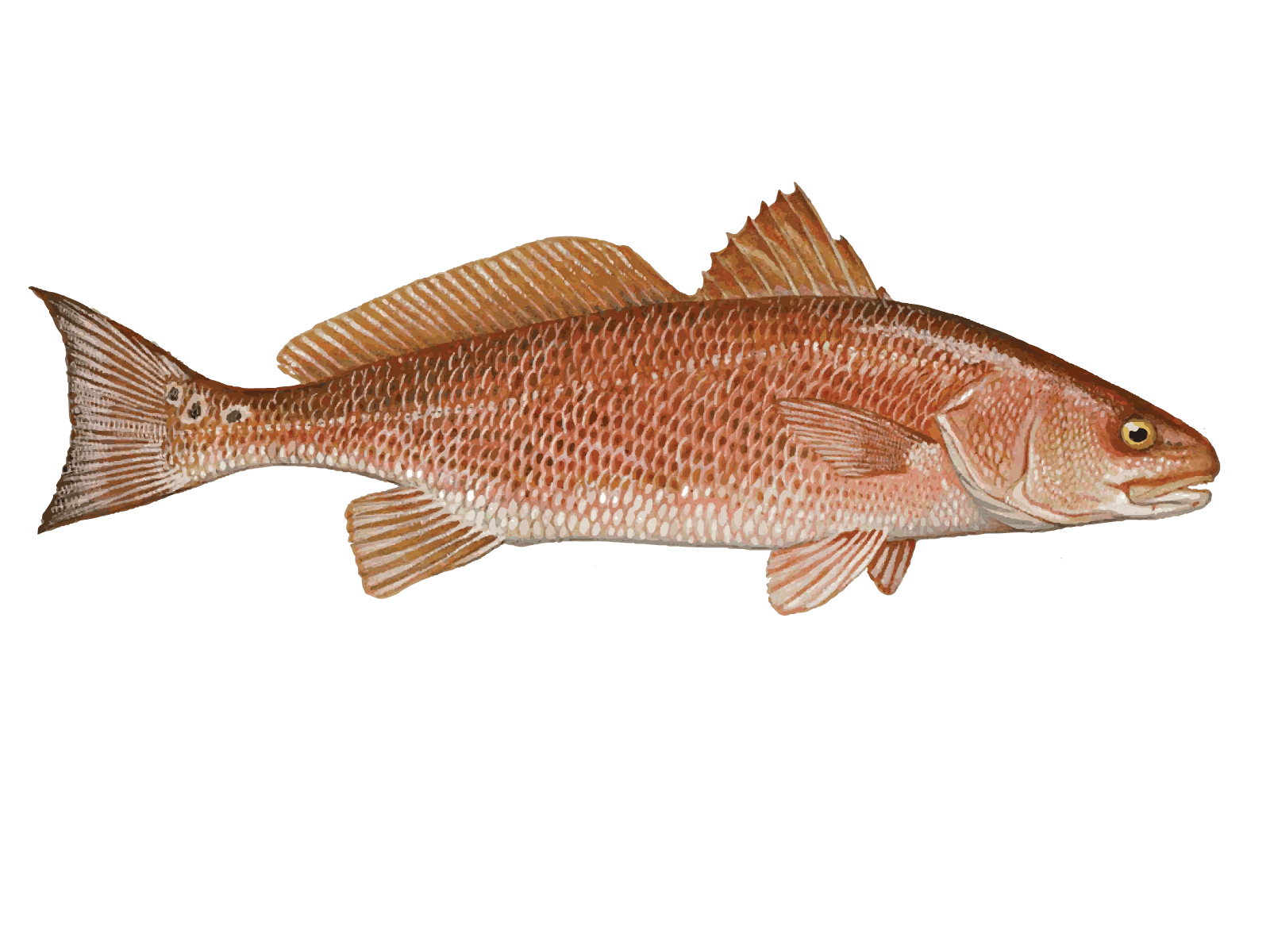
 Redfish
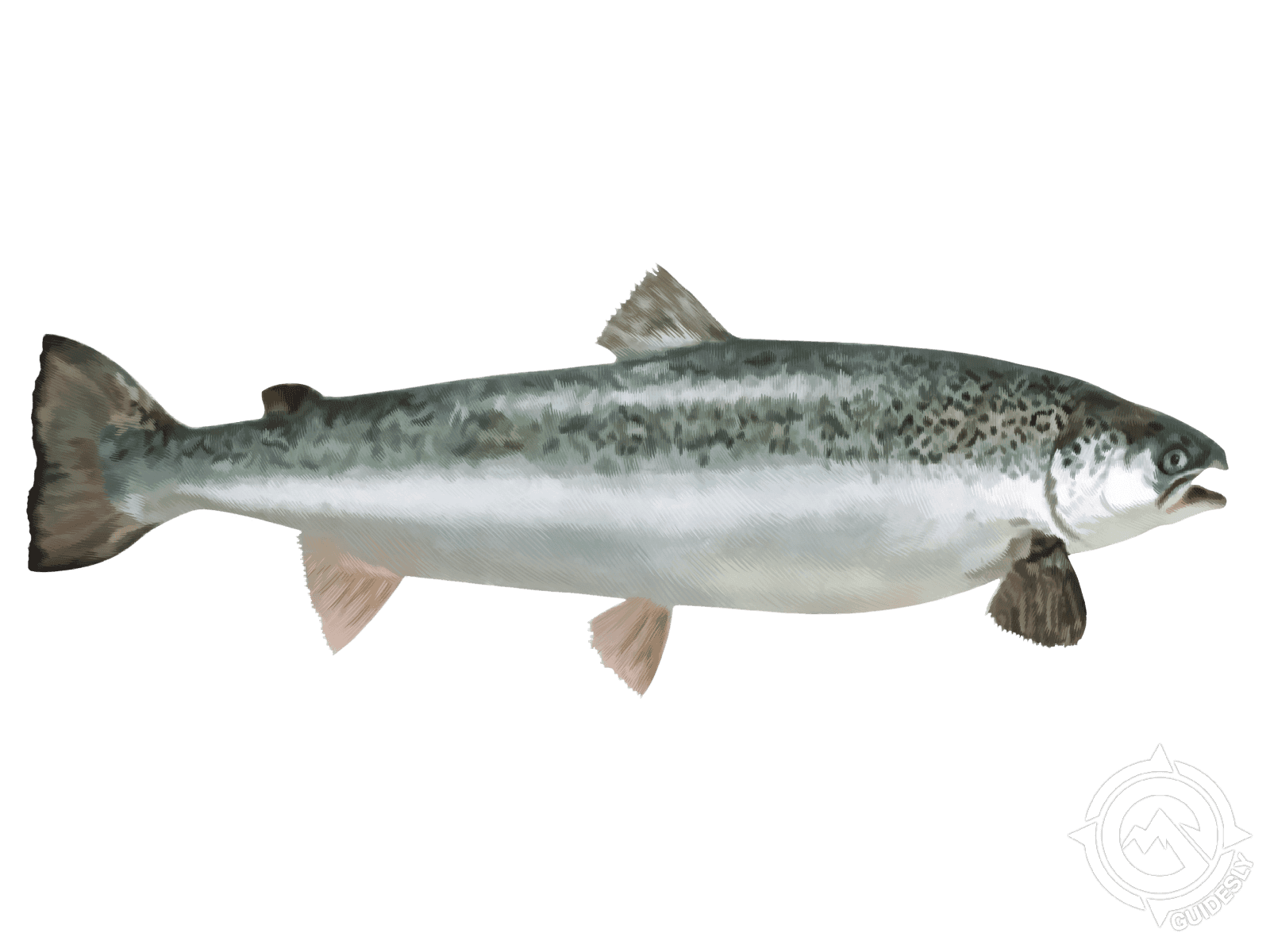
 Sea Trout
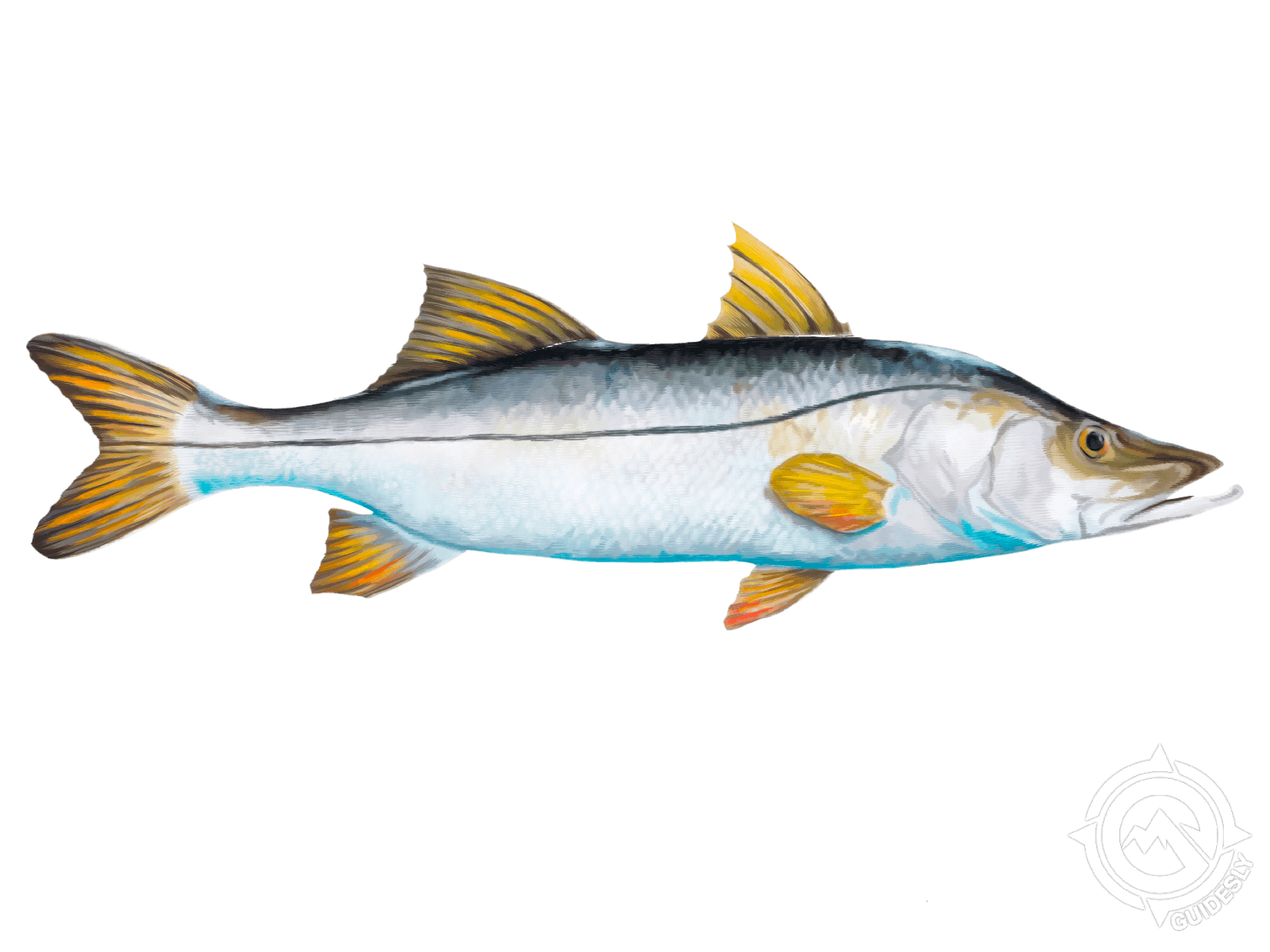
 Snook
Snook
- 3-4 hour inshore fishing adventure targeting snook, redfish, trout, grouper
- Captain provides all gear, bait, and local marine wildlife knowledge
- Small group experience accommodates up to 3 anglers maximum
Trip Pricing and Availabilities:
Half Day Snook and Redfish Fishing Charter
Tampa Bay's inshore waters hold some of Florida's most prized gamefish, and Captain Joe Masi knows exactly where to find them. This 3-4 hour fishing adventure puts you right in the heart of the action, targeting the bay's legendary snook, redfish, sea trout, and gag grouper. With room for up to 3 anglers, you'll get personalized attention and plenty of elbow room to work your lines. Joe brings decades of local knowledge to every trip, along with all the tackle and bait you need. Whether you're a weekend warrior or just getting started, these productive waters offer something special for everyone.
What to Expect on the Water
Your morning starts at one of Tampa Bay's launch points, where Captain Joe has the boat rigged and ready. The beauty of inshore fishing here is the variety – you might start working grass flats for sea trout, then move to mangrove shorelines for snook, or hit structure where gag grouper like to hang out. The bay's protected waters mean comfortable fishing even when offshore conditions get rough. Joe's constantly reading the water, watching for bait schools, bird activity, and current breaks that hold fish. He's not afraid to make moves either – if one spot isn't producing, you'll be heading to the next honey hole. The relaxed pace gives everyone time to soak in Tampa Bay's scenic beauty while staying focused on putting fish in the boat.
Tackle and Techniques
Joe comes prepared with quality spinning gear perfectly suited for Tampa Bay's inshore species. You'll be using medium-action rods that have enough backbone for bigger fish but still let you feel every bump and tap. Live bait is often the key here – pilchards, pinfish, and shrimp work magic on these fish. Artificial lures have their place too, especially soft plastics worked around structure and topwater plugs when snook are feeding aggressively. The technique depends on what's biting and where you're fishing. Around docks and mangroves, you'll be making precise casts to pockets and overhangs. On the flats, it's about covering water and reading the bottom contours. Joe handles all the rigging, re-baiting, and net work, so you can focus on fighting fish and enjoying the experience.
What Anglers Are Saying
"This was my second trip with Joe, we went out last year for the 4hr trip and brought back a dozen keeper grunt fillets to cook up. This year we were coming off a couple days of rainy, windy weather and the gulf was rough so we stayed on the intracostal areas but the water was still murky. Had a fair amount of bites, boated some trout that were just undersized so had to throw back but still fun to catch. Plus a couple hammerhead sharks about 18-20 inches that fought pretty good. Joe is very active on the boat, organized and worked hard for us, changing spots several times. Unfortunately no keepers this time, but that's why it's "fishing" and not "catching"!" - Michael
Top Catches This Season
Snook are the crown jewel of Tampa Bay inshore fishing, and for good reason. These silver-sided fighters can stretch over 30 inches and put up a battle that'll test your drag system. They love structure – docks, bridges, mangrove overhangs – anywhere they can ambush baitfish. Spring through fall offers the best action, with early morning and evening producing explosive topwater strikes. What makes snook special is their attitude. They hit hard, jump high, and use every trick in the book to throw your hook. The slot limit keeps the fishery healthy, so you'll encounter plenty of fish to keep things interesting.
Redfish patrol Tampa Bay's shallow waters year-round, making them a reliable target no matter when you visit. These bronze beauties average 20-25 inches in the bay, with their distinctive black spot near the tail making them easy to identify. Reds are opportunistic feeders that cruise grass flats, oyster bars, and shallow shorelines looking for crabs, shrimp, and small fish. They're known for their bulldogging fight – not much jumping, but plenty of head-shaking power that'll make your arms burn. Fall brings some of the best redfish action as they school up before heading to deeper water for winter spawning.
Sea trout might be Tampa Bay's most underrated gamefish. These spotted beauties are abundant, cooperative, and surprisingly good on the dinner table. They prefer grass flats and sandy bottoms where they can hunt for shrimp and small baitfish. Trout are perfect for beginners because they bite readily and don't require pinpoint accuracy like snook or redfish. The best fish come during cooler months when they move to deeper grass beds and channel edges. A keeper sea trout runs 15-20 inches, with the occasional "gator trout" over 24 inches providing real bragging rights.
Gag grouper add serious muscle to Tampa Bay's inshore scene. These bottom-dwellers hang around hard structure – rock piles, bridge pilings, and artificial reefs where they can ambush passing prey. Gags are notorious for their initial run straight back to cover, so you need to turn them quickly or risk getting cut off. They're year-round residents, but fall and winter often produce the biggest fish as they fatten up before spawning season. A good gag runs 18-24 inches in these waters, with their firm white meat making them one of the most sought-after table fish in Florida.
Time to Book Your Spot
Tampa Bay's inshore fishing delivers consistent action in a beautiful setting, and Captain Joe Masi has the local knowledge to make your trip memorable. Whether you're hoping to land your first snook, add to your redfish count, or just enjoy a relaxing morning on the water, this charter puts you in prime position
Customer Review
Fun Trip with Joe

Michael M
March 18, 2025
Learn more about the animals
Gag Grouper
Gag Grouper are solid fighters that'll test your gear once hooked. These guys average around 20 inches but can push 30+ pounds in deeper water. You'll find them hanging around rocky structure, reefs, and ledges in 15-60 feet of water. They love hiding in holes and under ledges, so look for hard bottom and structure on your fish finder. Spring through fall are prime months when they're most active. What makes them special is their bulldogging fight - they'll try to drag you straight back to the rocks. Plus, they're fantastic table fare with firm, white meat. Pro tip: once you hook one, keep your drag tight and don't let them run back to structure. Get them up and away from their hideout fast, or they'll cut you off on the rocks every time.
Redfish
Redfish are the bread and butter of Tampa Bay fishing - aggressive, beautiful, and built for a fight. Most slot fish run 18-27 inches, but you'll occasionally hook into a 30+ inch bull that'll test your drag. They cruise shallow flats, oyster bars, and mangrove edges in just 1-4 feet of water. You can literally see their backs breaking the surface on calm days. Best fishing is spring through fall during moving tides. What makes them special is their power - they'll make long, determined runs and fight hard to the boat. Plus, they're excellent eating with sweet, firm meat. That distinctive black spot near their tail isn't just for show - it helps them fool predators. Best tip: look for nervous water or wakes on the flats, then cast ahead of the fish and let your bait settle naturally.
Sea Trout
Sea Trout, or "specks" as locals call them, are perfect starter fish that still challenge experienced anglers. They typically run 12-18 inches and rarely exceed 5 pounds, but they make up for size with numbers and willingness to bite. You'll find them over grass flats in 2-8 feet of water, especially areas with sandy potholes mixed in. They're most active during cooler months from October through March, and low-light periods like early morning and evening. Anglers love them because they're aggressive, relatively easy to catch, and make excellent table fare with mild, flaky white meat. They're also great for kids and beginners. My go-to technique is drifting grass flats with live shrimp under a popping cork. The key is making noise - that popping sound calls them in from a distance.
Snook
Snook are Tampa Bay's premier inshore game fish and absolute blast to catch. Most run 18-28 inches, but trophy fish over 30 inches lurk around docks and mangroves. They love structure - bridges, seawalls, oyster bars, and especially mangrove shorelines where they ambush baitfish. Best action happens during warmer months from April through October, especially around dawn and dusk. What gets anglers hooked is their aggressive strikes and acrobatic fights - they'll jump, tail-walk, and make blistering runs toward cover. They're also excellent eating with sweet, flaky white meat. Here's the key: when fishing around structure, cast past the cover and work your lure back through the strike zone. Snook position themselves in current breaks waiting to ambush, so precision casting is everything.
About the Proline flatback 24 Foot
%2F%2Fusers%2F68058907-dff8-43e8-9200-41467a74728f%2Fvehicle_picture%2F2004839c-d0d4-4c91-8680-e96dcf4157ca.jpg&w=1920&q=75)
Vehicle Guest Capacity: 4
Manufacturer Name: Suzuki
Maximum Cruising Speed: 32
Number of Engines: 1
Horsepower per Engine: 200

This was my second trip with Joe, we went out last year for the 4hr trip and brought back a dozen keeper grunt fillets to cook up. This year we were coming off a couple days of rainy, windy weather and the gulf was rough so we stayed on the intracostal areas but the water was still murky. Had a fair amount of bites, boated some trout that were just undersized so had to throw back but still fun to catch. Plus a couple hammerhead sharks about 18-20 inches that fought pretty good. Joe is very active on the boat, organized and worked hard for us, changing spots several times. Unfortunately no keepers this time, but that's why it's "fishing" and not "catching"!