Snook Caught Fishing in Bay Pines, FL
Snook Fishing in Bay Pines - What to Expect

Fishing Charter by Captain Joe Masi in December
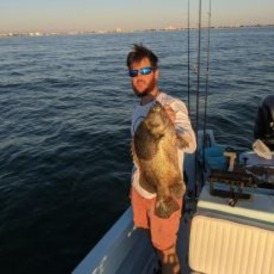
- Fun Fishing Trip With St Petersburg's Finest!


Summary
Join a fishing charter in Bay Pines on Monday, April 17th to pursue snook, a prized inshore species known for aggressive strikes and powerful runs. Captain Joe Masi of Masi Boys Fishing Charters specializes in targeting these hard-fighting fish in shallow coastal waters where they hunt and feed throughout the day.
Fishing Charter with Captain Joe Masi - Rates & Booking
Captain Joe Masi of Masi Boys Fishing Charters offers professional snook fishing experiences in Bay Pines on Monday, April 17th. As a licensed fishing guide with deep local knowledge, Captain Joe positions anglers in prime snook habitat where these aggressive fish patrol shallow flats and structure. To book your fishing charter or inquire about rates and availability, contact Masi Boys Fishing Charters directly.
When you book a guided fishing trip, you gain access to a captain's expertise in reading water conditions, locating active fish, and employing proven techniques that increase your chances of success. Local knowledge of seasonal patterns, tidal movements, and snook behavior gives you a significant advantage over fishing on your own.
Highlights of Bay Pines Snook Fishing
Snook are one of the most exciting inshore species to pursue. These fish are known for their incredible fighting ability, explosive strikes, and acrobatic jumps that make every hookup memorable. Bay Pines provides ideal shallow water habitat where snook hunt baitfish and crustaceans, creating dynamic and visual fishing opportunities throughout the day.
The shallow flats, mangrove edges, and coastal structure around Bay Pines concentrate snook during different tidal phases. Understanding how snook use these areas and when they are most active is crucial to consistent success. Captain Joe's experience with local patterns ensures your time on the water focuses on productive fishing.
Local Species Insights: Snook
Snook are ambush predators that use structure and shallow water to their advantage. These fish are highly selective feeders during daylight hours, which means presentation and technique matter significantly. They prefer areas with current, where baitfish concentrate and create feeding opportunities.
Snook hunting behavior changes throughout the day. Early morning and late afternoon often produce the most aggressive feeding periods. During slack tide and midday, snook move to deeper structure or tight cover where they wait for prey to pass nearby. Understanding these behavioral patterns helps explain why timing your cast in the right location at the right moment determines success.
Bay Pines habitat includes shallow flats, mangrove shorelines, and scattered structure where snook feel comfortable. These fish respond well to live bait presentations and artificial lures that mimic their natural prey. When hooked, snook are known for their powerful head shakes, strong runs, and tendency to use structure to break free. Their combination of strength and intelligence makes them a challenge worthy of serious anglers.
The environment around Bay Pines supports healthy snook populations because of the abundance of shallow feeding areas and protective cover. Seagrass beds, oyster bars, and mangrove roots provide both food sources and security. Clear to slightly stained water conditions typical of the area allow snook to hunt effectively while remaining cautious of anglers.
Working with a guide like Captain Joe Masi means learning not just where snook live, but why they behave the way they do. You'll understand how tides affect their location, what weather patterns influence their feeding activity, and which techniques produce results in different conditions. This knowledge applies to future fishing trips whether you return to Bay Pines or fish other coastal areas.
Fishing in St Petersburg: Snook
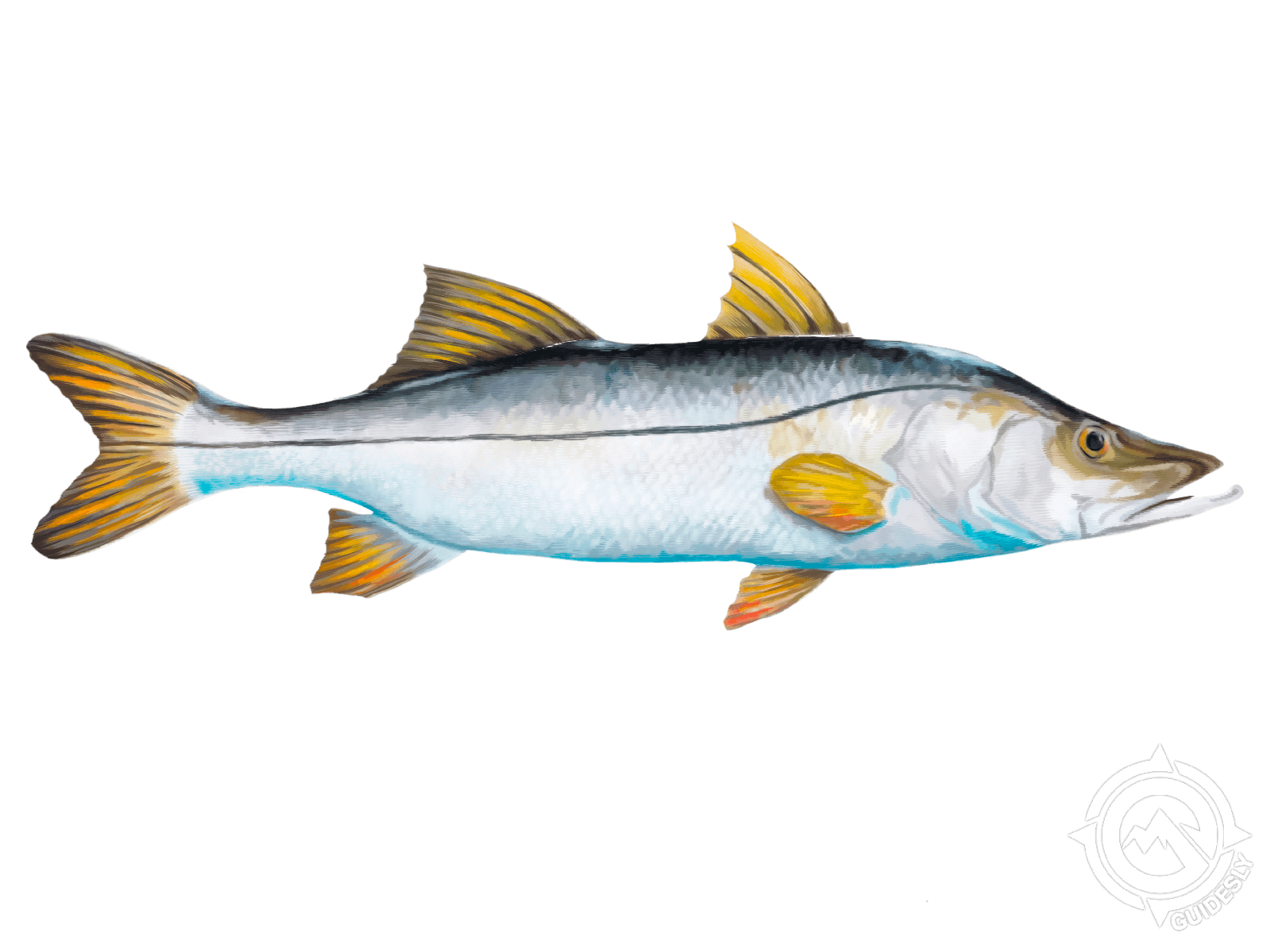
The Common Snook (Centropomus undecimalis) is a remarkable fish species belonging to the Centropomidae family within the order Perciformes. These sleek predators are instantly recognizable by their pronounced dark lateral line that runs from gill to tail, along with their distinctive sloped forehead and protruding lower jaw. What makes these fish truly fascinating is their ability to change from male to female after maturation - meaning most of the trophy-sized specimens you'll encounter are actually females! Their golden-yellow coloration and pale fins make them one of the most beautiful inshore game fish you'll ever target.
Snook Overview
These estuarine-dependent fish are considered one of the premier inshore game species, offering anglers an incredible combination of fighting power and acrobatic displays. They're masters of ambush predation, using their wide tails to generate explosive bursts of speed that can catch even experienced anglers off guard. What sets them apart from other inshore species is their remarkable adaptability - they can thrive in everything from fresh water creeks to saltwater flats, thanks to their sophisticated osmoregulation abilities that allow them to handle dramatic changes in salinity.
Snook Habitat and Distribution
You'll find these incredible fish throughout the warm waters of the western Atlantic Ocean, from North Carolina all the way south to Brazil, including the entire Gulf of Mexico and Caribbean. They're highly temperature-sensitive creatures that depend on estuaries, mangroves, and shallow coastal waters for their entire life cycle. Adult fish typically inhabit lagoons and coastal areas up to 60 feet deep, but they regularly venture into brackish creeks and inlets. The juvenile fish rely heavily on mangrove systems and shallow grass flats for protection from predators, making these areas crucial nursery habitats that support the entire population.
Snook Size and Weight
Most anglers encounter fish ranging from 16 to 30 inches, though these powerful predators can reach impressive sizes up to 50 inches in length. Typical fish weigh between 12 and 29 pounds, but don't let that fool you into thinking they're easy targets. The current world record, caught in Costa Rica, weighed an astounding 59 pounds 8 ounces and measured 47.6 inches long. Interestingly, fish in Central American waters tend to grow significantly larger than their northern Atlantic coast cousins, likely due to longer growing seasons and more abundant forage.
Snook Diet and Behavior
These opportunistic carnivores feed on a diverse menu that includes fish, crabs, shrimp, and other crustaceans found in both fresh and saltwater environments. They're classic ambush predators that rely on cover and structure, positioning themselves near mangrove roots, docks, and grass edges to strike unsuspecting prey. Their feeding behavior changes throughout the day, with peak activity often occurring during dawn and dusk periods. They're also known for their explosive surface strikes, making them incredibly exciting targets for topwater enthusiasts.
Snook Spawning and Seasonal Activity
The spawning season runs from May through September, coinciding with new and full moon cycles when these fish gather in high-current areas near inlets and passes. During this period, their fins turn a brilliant bright yellow, making them even more spectacular to observe. Males actively bump females to trigger egg release, and the fertilized eggs are carried seaward by strong currents. After hatching, juvenile fish make their way back to inshore nursery areas where they can find protection and abundant food sources.
Snook Techniques for Observation and Capture
Targeting these fish is remarkably similar to largemouth bass fishing, with many successful lures crossing over between the two species. Soft plastic swimbaits, jerkbait-style minnows, and jigging shrimp imitations are incredibly effective, especially when worked around structure. Topwater plugs and crankbaits can produce explosive strikes during low-light periods. For fly fishing enthusiasts, patterns like the Imitator or Dahlberg Diver work exceptionally well when sight-fishing the flats. Around major coastal cities, focus your efforts on residential canals, mangrove shorelines, and bridge structures where these cover-oriented fish feel secure.
Snook Culinary and Utilization Notes
These fish offer excellent table fare with firm, white meat that has a mild, sweet flavor profile. The meat is low in fat and high in protein, making it a healthy choice for various cooking methods including grilling, baking, or blackening. However, many anglers practice catch-and-release due to their importance as a recreational species and their vulnerability to cold weather events that can cause significant population declines. When properly prepared, the fillets are comparable to grouper or red snapper in both texture and taste.
Snook Frequently Asked Questions
Q: What is the best bait for targeting snook?
A: Live shrimp, pilchards, and pinfish are incredibly effective live baits, while soft plastic swimbaits and topwater plugs work excellently for artificial presentations. The key is matching your bait to the local forage and presenting it near structure.
Q: Where can I find snook near coastal cities?
A: Look for them around residential canals, mangrove shorelines, bridge pilings, and dock structures. They love ambush points where they can hide in shadows and strike passing prey.
Q: Are snook good to eat?
A: Absolutely! They offer firm, white meat with excellent flavor that's perfect for various cooking methods. However, many anglers release them due to their value as a sport fish and susceptibility to environmental pressures.
Q: When is the best time to catch snook?
A: Dawn and dusk periods typically offer the best action, though they can be caught throughout the day around structure. Warmer months provide the most consistent fishing, while spawning season from May to September can offer spectacular opportunities near inlets.
Q: What tackle should I use for snook fishing?
A: Medium to medium-heavy spinning or baitcasting gear works well, with 15-20 pound test line being ideal. These fish are notorious for their gill-rattling jumps and powerful runs, so a smooth drag system is essential.
Q: Why do snook die during cold weather?
A: They're extremely temperature-sensitive fish that can experience massive die-offs when water temperatures drop suddenly below their tolerance range. This makes them vulnerable to unseasonable cold fronts, particularly in their northern range.