%2Ffit-in%2F250x250%2Fguide_websites%2F2902%2Fimages%2Fmasi_boys_logo.png&w=1920&q=100)
Hogfish Catch on Fishing Charter in Bay Pines FL
Hogfish Fishing in Bay Pines - What to Expect
%2F%2Fusers%2F68058907-dff8-43e8-9200-41467a74728f%2Fimages%2Fhogfish-catch-bay-pines-florida-2474.jpg&w=1920&q=75)
Fishing Charter by Captain Joe Masi in April
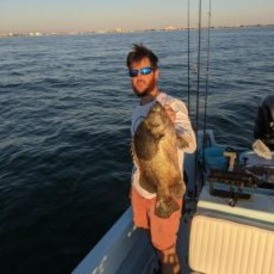
- Fun Fishing Trip With St Petersburg's Finest!


Summary
Join a fishing charter in Bay Pines, FL on a Sunday in April to pursue hogfish with Captain Joe Masi of Masi Boys Fishing Charters. This guided fishing experience targets one of Florida's most prized reef species using proven techniques in local waters.
Fishing Charter with Captain Joe Masi - Rates & Booking
Captain Joe Masi of Masi Boys Fishing Charters welcomes anglers to the waters around Bay Pines on this April fishing adventure. This fishing charter puts you on the water hunting for hogfish, one of the most exciting species to pursue in the region. Captain Masi's local expertise and knowledge of prime fishing grounds maximize your chances of connecting with quality fish. Book your spot online to secure your place on the boat and experience the thrill of landing these hard-fighting reef dwellers.
Highlights of This Hogfish Adventure
Hogfish are aggressive hunters that strike with explosive power, making every hookup memorable. This charter focuses on the productive waters around Bay Pines where these species are plentiful during spring months. You'll experience the intensity of sight fishing and the satisfaction of battling determined fish on the line. The combination of calm seas and abundant hogfish creates ideal conditions for an action-packed day on the water.
Your fellow anglers will share the excitement of the catch, from the initial strike to the final moment of landing your prize. The camaraderie and energy on the boat builds as fish are hooked and brought alongside. Bay Pines offers excellent visibility and productive habitat where hogfish actively feed in the shallow-to-moderate depths that make this species so accessible to fishermen of all skill levels.
Local Species Insights: Hogfish
Hogfish are distinctive reef dwellers found throughout Florida's coastal waters. Named for their pig-like snout used to root along the seafloor, these fish are built for power and aggression. They inhabit rocky reefs, ledges, and structured bottom where they hunt small crustaceans and fish. Hogfish are incredibly strong fighters that use their robust bodies to muscle through currents and drag hard when hooked.
In Bay Pines waters, hogfish thrive in the warm Gulf conditions during spring and summer months. They're visual feeders that respond well to live bait presentations and artificial lures that mimic their natural prey. The species reaches impressive sizes in these productive grounds, with many fish running 3 to 8 pounds or more. Their aggressive nature and willingness to bite make them perfect targets for anglers seeking action-packed fishing without long waits between bites.
The challenge of targeting hogfish lies in precision casting and proper technique. These fish require respect and proper tackle to land successfully. Captain Masi's experience navigating local structure and understanding hogfish behavior patterns ensures you're positioned for consistent opportunities throughout your day on the water.
Bay Pines' nearshore and shallow-water reefs create the perfect environment for this species. The productive bottom structure concentrates hogfish populations, allowing efficient fishing and exciting encounters. Whether you're an experienced angler or exploring reef fishing for the first time, hogfish provide the perfect combination of accessibility and challenge that makes Bay Pines a premier destination for this pursuit.
Fishing in St Petersburg: Hogfish
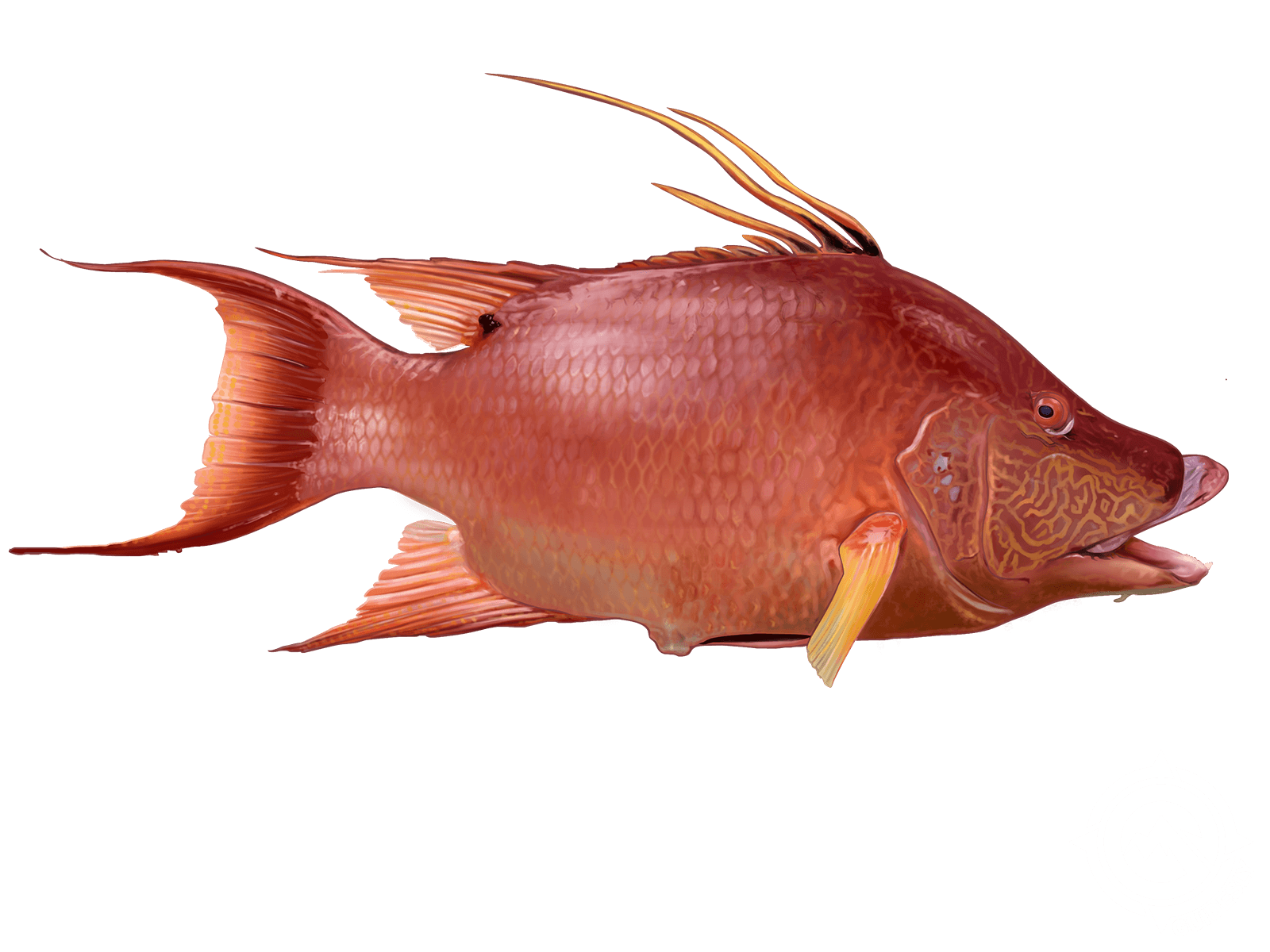
Hogfish Overview
The Hogfish, scientifically known as Lachnolaimus maximus, is a member of the Labridae family within the order Perciformes. This remarkable wrasse gets its common name from its distinctively prominent snout, which closely resembles that of a pig—a feature that makes it instantly recognizable to divers and anglers alike. What makes the Hogfish truly special is not just its appearance but its behavior; these curious fish are known to swim alongside divers and investigate new sounds in the water with an almost playful inquisitiveness. Found throughout reef systems and structured habitats along coastal areas, the Hogfish has become a favorite target for both recreational anglers and spearfishers seeking an exciting challenge and a rewarding catch.
Hogfish Habitat and Distribution
Hogfish are predominantly found in open bottoms and coral reef environments, preferring depths ranging from 10 to 100 feet (3 to 30 meters). They show a strong affinity for the edges of reefs where they form small, organized schools. These fish are particularly attracted to hard sand and rock bottoms, areas rich in the shellfish and crustaceans they depend on for food. Structurally, they favor hardbottoms with small cracks and live corals, as well as rocky areas with at least 1 to 5 feet of relief and natural ledges. Around popular fishing destinations like the Florida Keys and throughout the Caribbean, Hogfish congregate in predictable zones, making them accessible to both experienced and novice anglers willing to seek out the right habitat.
Hogfish Size and Weight
Adult Hogfish typically range from 10 to 36 inches in length, with most specimens weighing between 8 and 24 pounds. The largest specimens on record have reached approximately 3 feet (0.91 meters) in length and tipped the scales at around 22 pounds (10 kilograms). Juvenile Hogfish are noticeably smaller and tend to focus their feeding efforts more heavily on mollusks and echinoderms before transitioning to a more diverse diet as they mature. The sexual maturity of these fish—and their ability to change gender—typically occurs around 3 years of age, which corresponds to a certain size threshold within their population.
Hogfish Diet and Behavior
As carnivorous feeders, Hogfish are equipped with specialized canine teeth designed for shredding and processing tough shellfish and crustaceans. Their hog-like snout serves as a primary foraging tool, allowing them to dig through sand and reef rubble much like a pig rooting in soil. They actively consume mud crabs, small crabs, sea urchins, and a variety of mollusks, using their snout and teeth in coordinated fashion to expose and extract prey. Behaviorally, Hogfish are notably curious and bold; they're attracted to vibrations and sound in the water and tend to investigate anything that might signal a food source. However, this aggressive feeding behavior comes with a territorial streak—these fish are known bullies that harass smaller species, establishing dominance within their schools. Interestingly, Hogfish are hermaphroditic, with the ability to change from female to male once reaching a certain size and maturity level, a phenomenon that maintains balance within their hierarchical social structure.
Hogfish Spawning or Seasonal Activity
Hogfish reach sexual maturity at approximately 3 years of age, at which point females have the biological capacity to transform into males based on environmental cues and their position within the school hierarchy. They typically live in schools with one dominant male and multiple females, though this dynamic shifts when a female grows sufficiently large to trigger a gender transition. The presence of a black spot behind the pectoral fins is an exclusive male characteristic, making sex identification straightforward for experienced observers. While specific spawning seasons vary by region and water temperature, these fish remain relatively active year-round in tropical and subtropical waters, with increased feeding intensity during warmer months when prey is more abundant.
Hogfish Techniques for Observation or Capture
Spearfishing Method: Many experienced anglers and divers favor spearfishing as the most effective technique for pursuing Hogfish. This method requires a steady hand, sharp reflexes, and knowledge of reef structure. Approach areas with hard bottoms, live coral, and rocky formations where these fish congregate. Move slowly and deliberately, allowing the fish to become accustomed to your presence. Hogfish are naturally curious and may swim toward you, especially if you create subtle vibrations or sounds in the water—mimicking the disturbance of prey. A quality speargun with good accuracy range (typically 4 to 8 feet) increases your success rate significantly.
Hook and Line with Live Bait: While traditional hook-and-line fishing presents challenges due to their snout and aggressive strikes, it remains viable with the right approach. Use live mud crabs or live shrimp as bait; the struggling motion and sound generated by live prey will attract nearby Hogfish. Cast near structure—ledges, rocky outcroppings, and reef edges—and be prepared for fast, hard strikes. Medium to medium-heavy tackle with quick reflexes is essential, as these fish don't hesitate once they commit to a strike. Around popular destinations like the Florida Keys, hiring a local guide familiar with prime Hogfish territory dramatically increases your chances of connecting with these aggressive feeders.
Attraction and Curiosity-Based Tactics: Take advantage of the Hogfish's inquisitive nature by creating underwater noise and vibrations. Some anglers report success using chumming techniques near structured areas, which draws fish closer while you prepare your rod or spear. The species' boldness means they'll often investigate divers and snorkelers, so remaining calm and moving deliberately can lead to excellent photo opportunities or capture attempts.
Hogfish Culinary or Utilization Notes
Hogfish has earned a solid reputation among seafood enthusiasts and is considered good eating with mild flavor and subtle sweet undertones. The meat is firm and white, making it versatile for various cooking methods—grilling, pan-searing, and baking are all popular preparations. Some anglers and chefs argue that Hogfish actually surpasses Grouper in sweetness and overall flavor quality, making it a prized table fish throughout the Caribbean and Florida. From a nutritional standpoint, Hogfish is rich in protein and omega-3 fatty acids, supporting a healthy diet. The species is sustainably abundant in most regions where it's found, meaning responsible harvesting aligns well with environmental stewardship.
Hogfish Frequently Asked Questions
Q: What is the best bait or technique for catching Hogfish?
A: Live mud crabs and live shrimp work exceptionally well as bait, as their movement and vibrations attract Hogfish. However, spearfishing is considered the gold standard by most experts due to the species' aggressive nature and fast strikes. If using hook and line, be prepared for explosive takes and have your drag set appropriately to handle powerful runs.
Q: Where can I find Hogfish, especially around popular fishing destinations?
A: Hogfish thrive in structured reef environments, hard-bottom areas, and rocky ledges at depths between 10 and 100 feet. Look for areas with live coral, small cracks in the reef, and noticeable relief. Around locations like the Florida Keys, charter captains know the best Hogfish grounds, typically on reef systems and near prominent wrecks where structure attracts these fish in numbers.
Q: Is Hogfish good to eat?
A: Absolutely. Hogfish is considered excellent eating with mild, sweet meat that many compare favorably to Grouper. The white, firm flesh is versatile and takes well to most cooking techniques. It's also nutritionally dense, offering good protein and omega-3 fatty acids, making it both delicious and health-conscious.
Q: When is the best time to fish for Hogfish?
A: Hogfish are active year-round in tropical and subtropical waters, but feeding intensity increases during warmer months when prey availability is highest. Morning hours and overcast days often produce consistent results, as these fish are more active when light levels are moderate rather than in bright midday conditions.
Q: How can I distinguish between male and female Hogfish?
A: Males are the only sex that displays a distinctive black spot behind their pectoral fins. Additionally, males exhibit brighter coloration overall, particularly in their orange-tinted fins, while females tend toward more muted tones. This visual distinction makes field identification straightforward for experienced anglers and divers.
Q: Why are Hogfish so aggressive toward other fish?
A: Hogfish are territorial feeders with a dominant social hierarchy. Their aggressive behavior toward smaller fish is a natural extension of their assertive foraging style and their position within school hierarchies. This bullying behavior helps them secure access to prime feeding zones and maintains their dominance within their social group.