Grey Snapper & Hogfish Caught in Bay Pines FL
Saltwater Fishing in St Petersburg - What to Expect

Fishing Charter by Captain Joe Masi in February
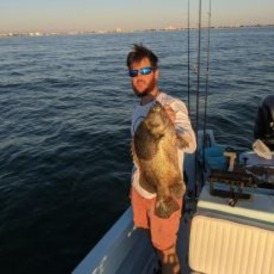
- Fun Fishing Trip With St Petersburg's Finest!


Summary
Join Captain Joe Masi on an action-packed fishing charter in St Petersburg on Tuesday, February 3rd. This guided fishing charter delivers intense saltwater action targeting grey snapper, white grunt, hogfish, and summer flounder in Florida's prime fishing waters. Every cast brings opportunity for trophy catches and unforgettable moments on the water.
Fishing Charter with Captain Joe Masi - Rates & Booking
Captain Joe Masi of Masi Boys Fishing Charters delivered explosive results on Tuesday, February 3rd, pulling in a phenomenal multi-species haul from St Petersburg waters. This fishing charter showcases the raw power and diversity of Florida's saltwater ecosystem. The combination of grey snapper, white grunt, hogfish, and summer flounder represents the best of what these prolific fishing grounds deliver when you have a captain who knows exactly where to find them.
Book your charter with Masi Boys Fishing Charters today to experience this same level of excitement and expertise. Captain Joe's local knowledge and aggressive fishing tactics ensure you spend every minute targeting species that bite hard and fight harder. Reserve your spot online and prepare for a day of non-stop saltwater action.
Highlights of This Fishing Charter
The diversity of this catch tells the whole story. Grey snapper are aggressive strikers that test your equipment and nerves with their powerful runs. White grunt arrive in schools, creating moments of rapid-fire action where the rod bends and adrenaline spikes. Hogfish provide a different challenge entirely, demanding precision casting and quick reflexes to hook these lightning-fast targets before they vanish into structure.
Summer flounder round out the variety, adding a bottom-fishing element that keeps the strategy dynamic and unpredictable. When you can land this variety in a single outing, you're experiencing the full spectrum of what makes Florida's coastal waters legendary among serious anglers.
Local Species Insights: Grey Snapper and Coastal Targets
St Petersburg's shallow-water and nearshore environment creates perfect conditions for the species that dominate this charter's results. Grey snapper thrive in depths ranging from 20 to 60 feet, where they hunt along hard bottom and rocky structure. These fish are aggressive feeders with sharp teeth and explosive energy, making them prized targets for charter anglers. They respond to live bait and cut offerings with immediate, hard strikes that send excitement coursing through the boat.
White grunt are schooling fish that congregate in massive numbers around productive ledges and reef systems. They're consistent biters with good size and tremendous table quality, making them both exciting to catch and rewarding to keep. Their rapid-fire bite patterns create sustained action that keeps everyone engaged and lines constantly in the water.
Hogfish are the wild cards of these waters. These colorful, intelligent fish feed aggressively but demand respect and precision. They inhabit rocky outcrops and shallow reefs where they forage for crustaceans and small baitfish. Catching them requires sharp reflexes and accurate presentations, but the payoff is unmistakable when one crushes your lure and takes off in a determined sprint.
Summer flounder add another dimension entirely. These bottom-dwelling predators hunt along sandy channels and structured areas, responding to dragged live bait with aggressive strikes. They provide a slower-burn fishing experience that contrasts beautifully with the fast action of the snappers and grunts, keeping the day varied and engaging throughout.
St Petersburg's location on Florida's Gulf Coast positions anglers perfectly for accessing these species throughout the year. The charter waters offer excellent conditions for both beginner and experienced anglers, with Captain Joe adjusting tactics and locations based on current conditions, tidal movement, and real-time bite reports.
Fishing in St Petersburg: Summer Flounder, Grey Snapper, Hogfish and White Grunt
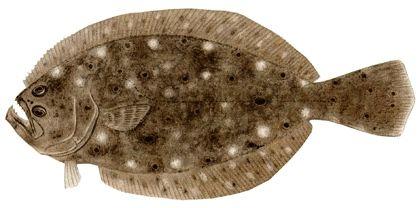
Summer Flounder Overview
The Summer Flounder, scientifically known as Paralichthys dentatus, is a fascinating flatfish species belonging to the family Paralichthyidae and order Pleuronectiformes. Known affectionately as the "chameleons of the sea," these remarkable fish are one of several sand flounders with both eyes positioned on the left side of their heads—a trait that develops as they mature from normal-looking juveniles. Summer Flounder are grayish-brown with lighter spots that provide excellent camouflage against the sandy and muddy seafloor where they spend their lives. This species is native to the Atlantic Coast and is a beloved target for anglers from Massachusetts to Florida, offering both an exciting fishing experience and excellent table fare.
Summer Flounder Habitat and Distribution
Summer Flounder are primarily found along the East Coast of the United States and Canada, thriving in waters that stretch from North Carolina to Massachusetts, with populations extending from Nova Scotia to eastern Florida. These demersal fish prefer both inshore and offshore environments, making their home in estuaries, bays, and continental shelf waters where sandy and muddy bottoms provide ideal hunting grounds. They typically occupy depths where they can effectively use their camouflage to ambush prey. The species is usually captured using bottom otter trawls, gillnets, and pound nets, indicating their preference for seafloor habitats. In popular fishing destinations along the Atlantic seaboard, Summer Flounder populations remain robust during the warmer months, with seasonal migrations influenced by water temperature and food availability.
Summer Flounder Size and Weight
The average Summer Flounder measures between 15 to 20 inches in length, though specimens can grow considerably larger, reaching up to 37 inches and weighing as much as 5 pounds. The largest recorded individuals have exceeded 26 pounds, making trophy-sized catches a genuine possibility for dedicated anglers. Female Summer Flounder typically grow larger and live longer than males, with maximum observed ages of 17 years for females and 15 years for males. Most fish you'll encounter while fishing will fall in the 15 to 20-inch range, making them ideal for both recreational catch-and-release and culinary purposes.
Summer Flounder Diet and Behavior
Summer Flounder are active ambush predators that rely on their exceptional camouflage and bottom-dwelling lifestyle to catch unsuspecting prey. These cunning hunters can rapidly change their coloring to match their surroundings, allowing them to blend seamlessly with the seafloor until an opportunity presents itself. When ambush tactics fail, they employ impressive swimming ability to chase down faster-moving prey. Their diet consists of a diverse array of bony fish including sand lance, menhaden, Atlantic silverside, mummichog killifish, and small bluefish, supplemented by invertebrates such as crabs, shrimp, and squid. Young Summer Flounder and juveniles face predation from spiny dogfish, monkfish, cod, hakes, sea raven, and longhorn sculpin, while adult fish are vulnerable to large sharks, rays, and monkfish. This natural predation helps maintain ecological balance in coastal marine ecosystems.
Summer Flounder Spawning and Seasonal Activity
Summer Flounder exhibit fascinating reproductive behavior, with peak spawning occurring during October and November when water temperatures drop and plankton abundance reaches seasonal highs. This timing is no accident—the combination of optimal water conditions and abundant food resources significantly increases survival rates for larval Summer Flounder hatching in continental shelf waters. Female Summer Flounder are remarkably prolific, producing between 460,000 to more than 4 million eggs during a spawning season. While these fish can be caught year-round, they are considerably easier to catch between September and November when they're most active and concentrated in accessible fishing areas. Spring and summer months see them more dispersed, though committed anglers can still find success with proper techniques and location knowledge.
Summer Flounder Techniques for Observation and Capture
Live Bait Method: Summer Flounder respond exceptionally well to live baitfish, making this the most effective angling approach. Use live minnows, mullet, or croakers, hooking smaller baits through the eye and larger specimens through the lips. A standard 7-foot casting rod paired with sturdy line capable of handling larger fish is the go-to setup for most anglers. Cast near structure, sandy patches, and channel edges where Flounder commonly hunt. Around coastal cities like Montauk, New York and similar Atlantic fishing hubs, targeting deeper channels during tidal changes often yields impressive results.
Natural Bait Alternative: Sea worms and clams are also effective attractants that Summer Flounder find irresistible. Use a circle hook, as these are easier for Flounder to properly bite, improving your hook-up ratio significantly. A sinker may be necessary to keep your bait within reach of bottom-dwelling Flounder, particularly in deeper offshore waters.
Timing and Location Strategy: Fish during slack tide or early in the tidal change when Flounder are most actively feeding. Target sandy and muddy bottom habitats in 15 to 60 feet of water, adjusting depth based on seasonal migration patterns. The fall migration (September through November) concentrates fish in predictable locations, making this the optimal season for consistent success.
Summer Flounder Culinary and Utilization Notes
Summer Flounder possess excellent food quality and are highly prized for their delicate, flavorful white flesh. The meat is lean and mild, making it suitable for a wide variety of culinary preparations including pan-frying, baking, steaming, and poaching. Their flat body structure yields beautiful fillets with minimal waste. Nutritionally, Summer Flounder provide excellent protein, omega-3 fatty acids, and essential minerals. It's important to note that a permit is required for the commercial sale and purchase of Summer Flounder, supporting sustainable fishery management along the Atlantic Coast. Recreational anglers can keep legal-sized fish for personal consumption, contributing to both food security and connection with coastal traditions.
Summer Flounder Frequently Asked Questions
Q: What is the best bait for catching Summer Flounder?
A: Live baitfish such as minnows, mullet, and croakers are highly effective, as are sea worms and clams. Hook smaller baits through the eye and larger ones through the lips. Circle hooks are recommended because they're easier for Flounder to bite securely.
Q: Where can I find Summer Flounder near major fishing cities?
A: Summer Flounder are abundant along the entire Atlantic Coast from North Carolina to Massachusetts. Popular spots include estuaries, bays, and offshore channels. Around cities like Boston, New York, and Wilmington, look for sandy and muddy bottom habitats in 15 to 60 feet of water during the September through November migration season.
Q: Is Summer Flounder good to eat?
A: Absolutely! Summer Flounder have excellent food quality with delicate, flavorful white flesh that's lean and versatile. They're suitable for pan-frying, baking, steaming, or poaching, and provide excellent nutrition including protein and omega-3 fatty acids. A permit is required for commercial sale, but recreational anglers can keep legal-sized fish for personal consumption.
Q: When is the best time to catch Summer Flounder?
A: While catchable year-round, Summer Flounder are easiest to catch between September and November during their fall migration. Spring and summer require more effort, but success is still possible for patient anglers. Peak spawning occurs in October and November when fish are most concentrated and active.
Q: What fishing gear setup do I need for Summer Flounder?
A: A standard 7-foot casting rod paired with sturdy line capable of handling larger fish is the recommended setup. Use circle hooks for better hook-ups, and include a sinker to keep your bait near the bottom where Flounder hunt. Adjust sinker weight based on water depth and current strength.
Q: Why are Summer Flounder called "chameleons of the sea"?
A: Summer Flounder have the remarkable ability to rapidly change their coloring to match the texture and color of the bottom where they live. This exceptional camouflage allows them to blend invisibly with the seafloor, giving them a significant advantage when ambush hunting for prey. This adaptive capability is why anglers sometimes see them practically vanish against sandy or muddy backgrounds.
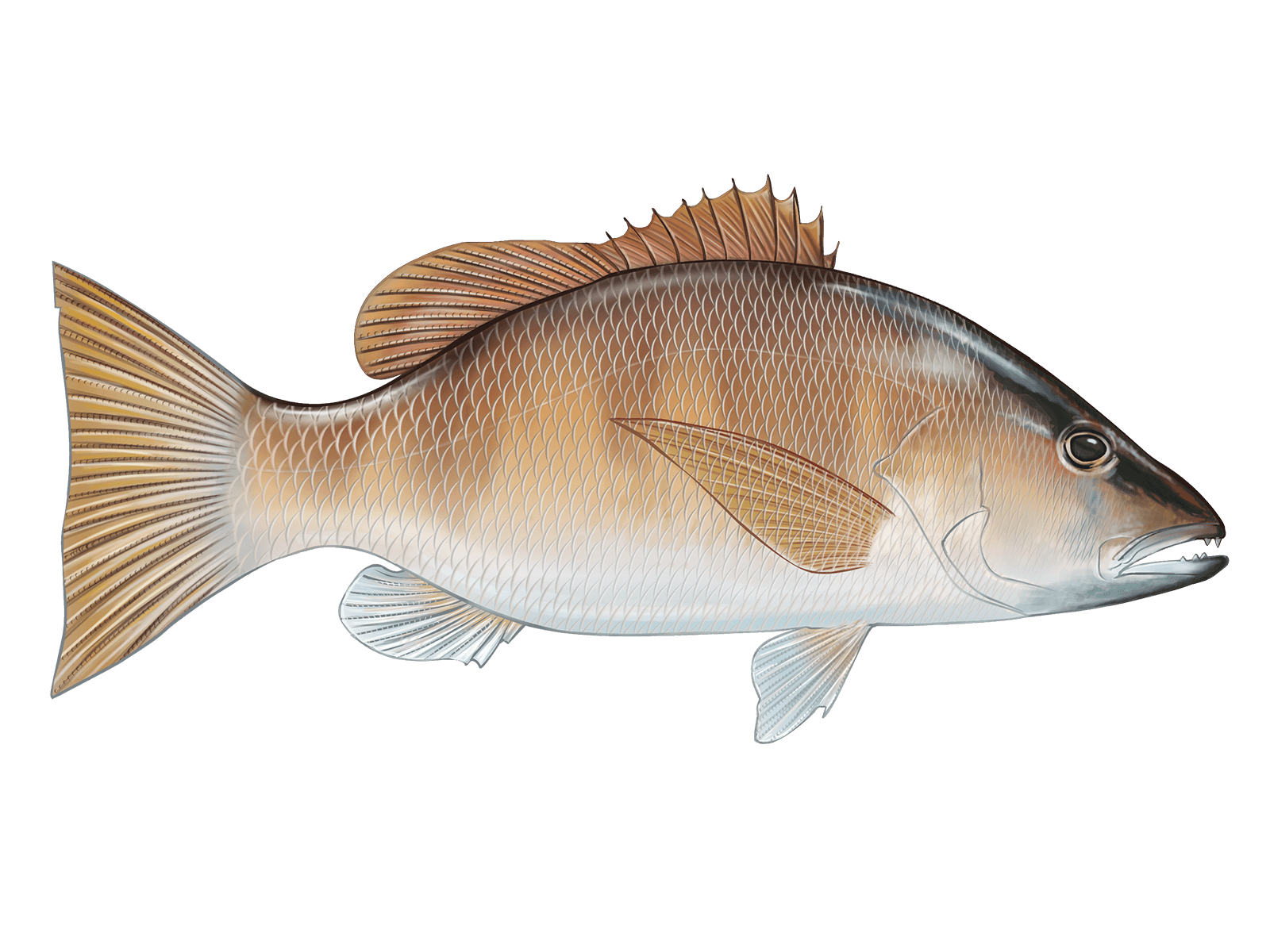
Grey Snapper Overview
The Grey Snapper, scientifically known as Lutjanus Griseus and commonly called the Mangrove Snapper, is a member of the Lutjanidae family within the order Perciformes. This remarkable fish is instantly recognizable by its striking greyish-red coloration that transitions from copper-red to brilliant red, along with a distinctive dark stripe running across its eye. With a pointed snout, thin lips, and small teeth, the Grey Snapper is one of the most abundant snapper species and a favorite among anglers and seafood enthusiasts alike. Found throughout warm to temperate waters from coastal reefs to mangrove-lined backcountry, this swift, nocturnal hunter is native to regions where it thrives as an opportunistic predator, making it a fascinating subject for both observation and fishing experiences.
Grey Snapper Habitat and Distribution
Grey Snappers are creatures of structure and cover, preferring environments rich with natural and artificial obstacles. They inhabit canals, grass flats, mangrove forests, rocky outcrops, shipwrecks, and debris fields in warm to temperate waters. These fish are distributed across onshore and nearshore reef systems, backcountry flats, rivers, and lakes where water conditions remain stable and prey is abundant. The species thrives in areas with strong water columns and complex bottom structures that provide ideal ambush points for their opportunistic hunting style. Whether you're exploring shallow backcountry regions or deeper reef systems, Grey Snappers are likely to be present in any location offering adequate cover and consistent food sources.
Grey Snapper Size and Weight
While Grey Snappers typically measure between 10 to 14 inches and weigh 1 to 2 pounds when found inshore, they can achieve significantly larger proportions in open water environments. Specimens caught offshore commonly reach weights of 20 pounds, though inshore fishing typically yields catches of 3 to 4 pounds. The size range for notable catches generally falls between 30 to 35 inches in length, with weights reaching up to 8 pounds in productive fishing waters. Juvenile Grey Snappers tend to display darker coloration than their adult counterparts, making them visually distinct at different life stages.
Grey Snapper Diet and Behavior
As opportunistic carnivores, Grey Snappers display flexible feeding habits and are most active during nighttime hours. Young specimens congregate near seagrass beds where they feast on a variety of crustaceans and smaller fish, while juveniles and adults alike will consume zooplankton when available. Their diet becomes increasingly piscine as they mature, focusing primarily on small fish and crustaceans. These swift swimmers are not aggressive toward humans but are highly effective ambush predators, using their speed and structural cover to seize feeding opportunities. The nocturnal nature of Grey Snappers means they feed and move most actively after sunset, making them particularly responsive to nighttime fishing efforts.
Grey Snapper Spawning and Seasonal Activity
Grey Snappers display remarkable reproductive behavior, spawning millions of eggs during full moon periods. This synchronized spawning pattern contributes to their status as the most abundant species within their genus, ensuring healthy population numbers across their range. The lunar-driven spawning cycle means that fishing success can vary depending on moon phases, with some anglers noting increased activity and feeding before and after major spawning events. Understanding these seasonal patterns can significantly enhance your chances of successful encounters with this prolific species.
Grey Snapper Techniques for Observation and Capture
Live Bait Method (Primary Technique): The most effective approach for catching Grey Snappers involves using live bait, particularly live shrimp or mud minnows. Thread your line through a bobber and tie it to a 4J hook, ensuring your line can withstand abrasion. Insert the hook through the tail of your shrimp rather than the head to maximize bait longevity. Allow your bait to sink to the bottom, then reel up slightly to prevent snagging. Position yourself at beach piers, docks, or near water column structures where Grey Snappers congregate. Since these fish are opportunistic hunters, avoid excessive bobbing or movement that might deter them. Wait patiently for a tug, then reel steadily to set the hook before slowly bringing your catch to the surface.
Structural Fishing (Secondary Technique): Target mangrove forests, rocky reefs, shipwrecks, and debris fields during both day and night. In open water, allow your bait to sink deep into reef systems to draw out larger specimens. The complex structure provides the cover these ambush predators prefer. Cast near pilings, undercut banks, and fallen trees in river and lake environments.
Timing and Location Insight: Around popular fishing destinations in coastal Florida and throughout the Gulf region, evening and night fishing during full moon periods often produces exceptional results. Early morning hours before sunrise also yield productive catches as nocturnal feeders transition back to deeper resting areas.
Grey Snapper Culinary and Utilization Notes
The Grey Snapper has earned a stellar reputation among seafood enthusiasts for its exceptional table qualities. The meat is prized for being white, flaky, and tender with a mild, delicate flavor that appeals to diverse palates. Rich in high-quality protein and omega-3 fatty acids, this snapper provides excellent nutritional value. The species' culinary popularity combined with its abundance makes it both a sustainable and delicious choice for coastal dining. Whether grilled whole, filleted and pan-seared, or prepared in traditional fish stews, the Grey Snapper delivers consistent culinary satisfaction.
Grey Snapper Frequently Asked Questions
Q: What is the best bait for catching Grey Snappers?
A: Live shrimp rigged through the tail and live mud minnows are the top choices recommended by experienced anglers. The key is keeping your bait alive and naturally presented near the bottom where these opportunistic hunters patrol.
Q: Where can I find Grey Snappers in coastal waters?
A: Look for them around mangrove forests, grass flats, rocky reefs, pilings, docks, and shipwrecks. In backcountry environments, structure is your best indicator of Grey Snapper presence. Around Florida's Gulf Coast and throughout southern coastal regions, these habitats consistently hold productive populations.
Q: Is the Grey Snapper good to eat?
A: Absolutely. The Grey Snapper is highly regarded for its white, flaky, tender meat with a mild flavor. It's an excellent eating fish with good nutritional value, making it a favorite among both recreational and commercial fishermen.
Q: When is the best time to catch Grey Snappers?
A: While Grey Snappers are active throughout the year, they are primarily nocturnal feeders, making evening, night, and early morning hours most productive. Full moon periods trigger spawning and often increase feeding activity, making them excellent target dates for fishing trips.
Q: How do I distinguish a Grey Snapper from a Cubera Snapper?
A: Open the fish's mouth and examine the tooth patch. Grey Snappers have a triangular-shaped tooth patch without extensions, while Cubera Snappers display an arrow-shaped patch with extensions. This distinctive difference is the most reliable identification method.
Q: What makes Grey Snappers different from other snapper species?
A: Beyond their unique tooth structure, Grey Snappers are distinguished by their greyish-red coloration, dark eye stripe, pointed snout, and thin lips. They're also more abundant than most other snapper species and prefer shallower, structure-rich environments like mangrove forests and grass flats.
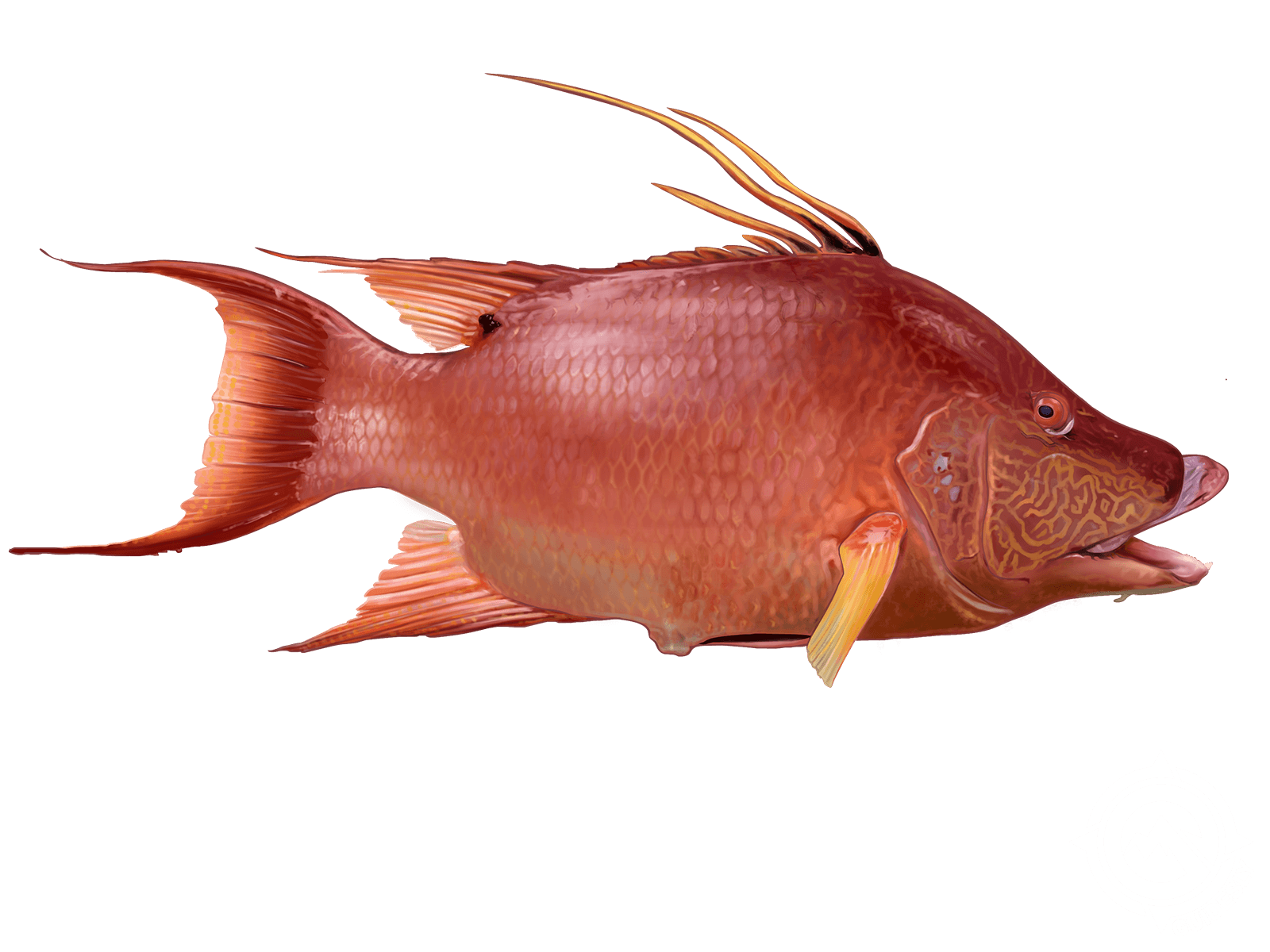
Hogfish Overview
The Hogfish, scientifically known as Lachnolaimus maximus, is a member of the Labridae family within the order Perciformes. This remarkable wrasse gets its common name from its distinctively prominent snout, which closely resembles that of a pig—a feature that makes it instantly recognizable to divers and anglers alike. What makes the Hogfish truly special is not just its appearance but its behavior; these curious fish are known to swim alongside divers and investigate new sounds in the water with an almost playful inquisitiveness. Found throughout reef systems and structured habitats along coastal areas, the Hogfish has become a favorite target for both recreational anglers and spearfishers seeking an exciting challenge and a rewarding catch.
Hogfish Habitat and Distribution
Hogfish are predominantly found in open bottoms and coral reef environments, preferring depths ranging from 10 to 100 feet (3 to 30 meters). They show a strong affinity for the edges of reefs where they form small, organized schools. These fish are particularly attracted to hard sand and rock bottoms, areas rich in the shellfish and crustaceans they depend on for food. Structurally, they favor hardbottoms with small cracks and live corals, as well as rocky areas with at least 1 to 5 feet of relief and natural ledges. Around popular fishing destinations like the Florida Keys and throughout the Caribbean, Hogfish congregate in predictable zones, making them accessible to both experienced and novice anglers willing to seek out the right habitat.
Hogfish Size and Weight
Adult Hogfish typically range from 10 to 36 inches in length, with most specimens weighing between 8 and 24 pounds. The largest specimens on record have reached approximately 3 feet (0.91 meters) in length and tipped the scales at around 22 pounds (10 kilograms). Juvenile Hogfish are noticeably smaller and tend to focus their feeding efforts more heavily on mollusks and echinoderms before transitioning to a more diverse diet as they mature. The sexual maturity of these fish—and their ability to change gender—typically occurs around 3 years of age, which corresponds to a certain size threshold within their population.
Hogfish Diet and Behavior
As carnivorous feeders, Hogfish are equipped with specialized canine teeth designed for shredding and processing tough shellfish and crustaceans. Their hog-like snout serves as a primary foraging tool, allowing them to dig through sand and reef rubble much like a pig rooting in soil. They actively consume mud crabs, small crabs, sea urchins, and a variety of mollusks, using their snout and teeth in coordinated fashion to expose and extract prey. Behaviorally, Hogfish are notably curious and bold; they're attracted to vibrations and sound in the water and tend to investigate anything that might signal a food source. However, this aggressive feeding behavior comes with a territorial streak—these fish are known bullies that harass smaller species, establishing dominance within their schools. Interestingly, Hogfish are hermaphroditic, with the ability to change from female to male once reaching a certain size and maturity level, a phenomenon that maintains balance within their hierarchical social structure.
Hogfish Spawning or Seasonal Activity
Hogfish reach sexual maturity at approximately 3 years of age, at which point females have the biological capacity to transform into males based on environmental cues and their position within the school hierarchy. They typically live in schools with one dominant male and multiple females, though this dynamic shifts when a female grows sufficiently large to trigger a gender transition. The presence of a black spot behind the pectoral fins is an exclusive male characteristic, making sex identification straightforward for experienced observers. While specific spawning seasons vary by region and water temperature, these fish remain relatively active year-round in tropical and subtropical waters, with increased feeding intensity during warmer months when prey is more abundant.
Hogfish Techniques for Observation or Capture
Spearfishing Method: Many experienced anglers and divers favor spearfishing as the most effective technique for pursuing Hogfish. This method requires a steady hand, sharp reflexes, and knowledge of reef structure. Approach areas with hard bottoms, live coral, and rocky formations where these fish congregate. Move slowly and deliberately, allowing the fish to become accustomed to your presence. Hogfish are naturally curious and may swim toward you, especially if you create subtle vibrations or sounds in the water—mimicking the disturbance of prey. A quality speargun with good accuracy range (typically 4 to 8 feet) increases your success rate significantly.
Hook and Line with Live Bait: While traditional hook-and-line fishing presents challenges due to their snout and aggressive strikes, it remains viable with the right approach. Use live mud crabs or live shrimp as bait; the struggling motion and sound generated by live prey will attract nearby Hogfish. Cast near structure—ledges, rocky outcroppings, and reef edges—and be prepared for fast, hard strikes. Medium to medium-heavy tackle with quick reflexes is essential, as these fish don't hesitate once they commit to a strike. Around popular destinations like the Florida Keys, hiring a local guide familiar with prime Hogfish territory dramatically increases your chances of connecting with these aggressive feeders.
Attraction and Curiosity-Based Tactics: Take advantage of the Hogfish's inquisitive nature by creating underwater noise and vibrations. Some anglers report success using chumming techniques near structured areas, which draws fish closer while you prepare your rod or spear. The species' boldness means they'll often investigate divers and snorkelers, so remaining calm and moving deliberately can lead to excellent photo opportunities or capture attempts.
Hogfish Culinary or Utilization Notes
Hogfish has earned a solid reputation among seafood enthusiasts and is considered good eating with mild flavor and subtle sweet undertones. The meat is firm and white, making it versatile for various cooking methods—grilling, pan-searing, and baking are all popular preparations. Some anglers and chefs argue that Hogfish actually surpasses Grouper in sweetness and overall flavor quality, making it a prized table fish throughout the Caribbean and Florida. From a nutritional standpoint, Hogfish is rich in protein and omega-3 fatty acids, supporting a healthy diet. The species is sustainably abundant in most regions where it's found, meaning responsible harvesting aligns well with environmental stewardship.
Hogfish Frequently Asked Questions
Q: What is the best bait or technique for catching Hogfish?
A: Live mud crabs and live shrimp work exceptionally well as bait, as their movement and vibrations attract Hogfish. However, spearfishing is considered the gold standard by most experts due to the species' aggressive nature and fast strikes. If using hook and line, be prepared for explosive takes and have your drag set appropriately to handle powerful runs.
Q: Where can I find Hogfish, especially around popular fishing destinations?
A: Hogfish thrive in structured reef environments, hard-bottom areas, and rocky ledges at depths between 10 and 100 feet. Look for areas with live coral, small cracks in the reef, and noticeable relief. Around locations like the Florida Keys, charter captains know the best Hogfish grounds, typically on reef systems and near prominent wrecks where structure attracts these fish in numbers.
Q: Is Hogfish good to eat?
A: Absolutely. Hogfish is considered excellent eating with mild, sweet meat that many compare favorably to Grouper. The white, firm flesh is versatile and takes well to most cooking techniques. It's also nutritionally dense, offering good protein and omega-3 fatty acids, making it both delicious and health-conscious.
Q: When is the best time to fish for Hogfish?
A: Hogfish are active year-round in tropical and subtropical waters, but feeding intensity increases during warmer months when prey availability is highest. Morning hours and overcast days often produce consistent results, as these fish are more active when light levels are moderate rather than in bright midday conditions.
Q: How can I distinguish between male and female Hogfish?
A: Males are the only sex that displays a distinctive black spot behind their pectoral fins. Additionally, males exhibit brighter coloration overall, particularly in their orange-tinted fins, while females tend toward more muted tones. This visual distinction makes field identification straightforward for experienced anglers and divers.
Q: Why are Hogfish so aggressive toward other fish?
A: Hogfish are territorial feeders with a dominant social hierarchy. Their aggressive behavior toward smaller fish is a natural extension of their assertive foraging style and their position within school hierarchies. This bullying behavior helps them secure access to prime feeding zones and maintains their dominance within their social group.
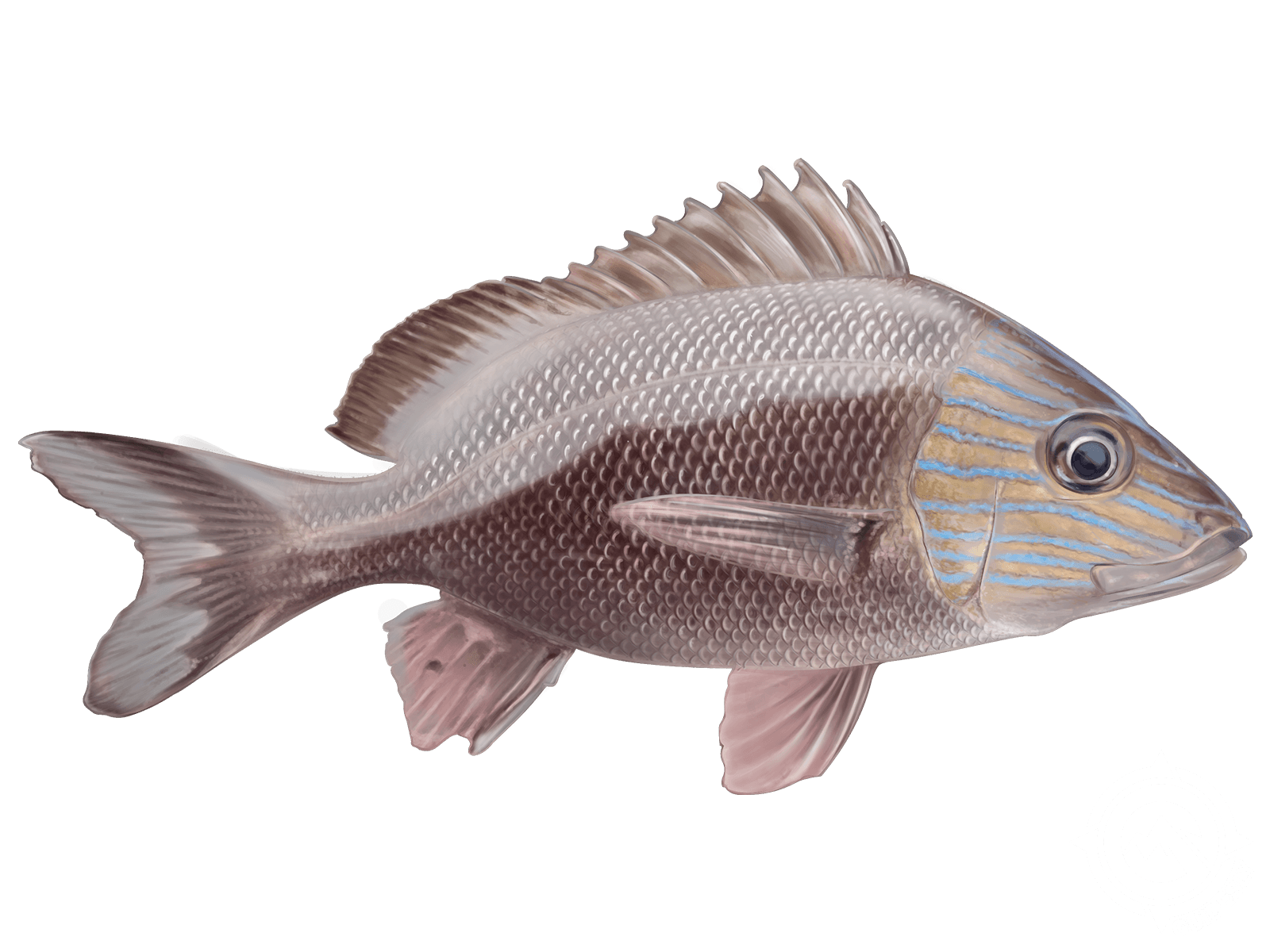
White Grunt Overview
The White Grunt (Haemulon plumierii) is a fascinating member of the Haemulidae family within the order Perciformes, native to the Atlantic Ocean and widely recognized as one of the most engaging game fish for recreational anglers. Known by multiple colorful nicknames—including flannelmouth grunt, redmouth grunt, boar grunt, and Key West grunt—this species is instantly recognizable by its striking silvery-blue to creamy yellow body adorned with vertical blue and yellow stripes, a distinctive red snout, and an elegant almond-shaped silhouette. What makes the White Grunt truly special is the audible "grunting" sound it produces by grinding its pharyngeal teeth, a behavior that has fascinated anglers and coastal residents from the Florida Keys to the Caribbean for generations. The species thrives in diverse marine environments and remains a cornerstone of recreational fishing experiences throughout its native range.
White Grunt Habitat and Distribution
The White Grunt flourishes throughout the Western Atlantic, with its range extending from Chesapeake Bay south through the Gulf of Mexico and Caribbean waters all the way to Brazil. These adaptable fish are commonly found in reefs, docks, and mangrove ecosystems, preferring shallow waters that typically range from the shoreline down to approximately 98 feet in depth, though specimens occasionally venture into deeper hard-bottom habitats reaching 115 feet. Young White Grunts tend to inhabit inshore nursery areas, while mature individuals spend more time in offshore and backcountry environments. The species demonstrates remarkable versatility in habitat selection, capable of thriving in both natural reef structures and artificial environments like pier pilings and rocky outcrops, making them accessible to anglers fishing from shore, boat, or kayak throughout most coastal regions of the southeastern United States.
White Grunt Size and Weight
On average, the White Grunt ranges from 6 to 14 inches in length and typically weighs between 2 to 6 pounds when encountered by recreational anglers. However, larger specimens do exist—historical records document White Grunts reaching up to 20 inches and weighing as much as 15 to 20 pounds, though these trophy-sized fish are considerably less common. The species exhibits a typical lifespan of 9 to 12 years in the wild, allowing ample opportunity for anglers to pursue both juvenile fish in shallow waters and more substantial adults in deeper offshore zones. The gradual growth pattern means that patience and proper technique often yield better-sized specimens for both catch-and-release enthusiasts and those interested in a culinary experience.
White Grunt Diet and Behavior
As nocturnal and opportunistic carnivores, White Grunts display fascinating feeding behavior that makes them highly responsive to angler presentations. Adult fish primarily feast on mollusks, echinoderms, annelids, and benthic crustaceans—especially shrimp—which they hunt along sandy bottoms and around reef structures during low-light hours. Juvenile White Grunts begin their dietary journey consuming copepods and plankton before transitioning to bottom-dwelling prey as they mature. This species is equally notable for its social and aggressive territoriality; White Grunts confront rivals by pushing each other on the lips with mouths agape in dramatic displays of dominance. The famous "grunting" vocalization—produced by grinding pharyngeal teeth and amplified by the air bladder—serves as a distress call and becomes particularly audible when fish are hooked by anglers. White Grunts face predation from sharks, barracuda, lizardfishes, groupers, and snappers, shaping their cautious yet aggressive feeding strategies.
White Grunt Spawning and Seasonal Activity
While specific spawning details for the White Grunt remain somewhat understudied compared to other game fish, the species demonstrates distinct seasonal patterns influenced by water temperature, lunar cycles, and reproductive biology. Peak activity typically occurs during warmer months when inshore and backcountry populations become most concentrated and responsive to angler efforts. Juveniles are more prevalent in shallow, protected nursery habitats during spring and early summer, while adults migrate toward deeper offshore structures as water temperatures fluctuate. Understanding these seasonal movements is crucial for anglers planning trips—targeting shallow mangrove areas during cooler months often yields consistent results, while summer fishing frequently benefits from deeper reef and wreck presentations. The species' year-round availability in most of its range means opportunities exist throughout the calendar, though local conditions and water temperatures should guide tactical decisions.
White Grunt Techniques for Observation and Capture
Hook and Line Method: The most popular and accessible technique for targeting White Grunts involves standard hook-and-line fishing with natural baits. Shrimp—both live and dead—rank as the premier choice, though cut mullet, squid, and small crustaceans also produce excellent results. Cast near structure such as mangroves, dock pilings, rocky outcrops, and reef edges, allowing baits to settle near the bottom where these fish hunt. Early morning and late afternoon periods, particularly around dusk, coincide with peak feeding activity. Light to medium spinning or conventional tackle rated for 10-20 pound test works ideally, allowing for sensitivity while maintaining sufficient backbone for hooksets. Around the Florida Keys and throughout the Caribbean, this approach yields consistent success both from shore-based structures and small boats operating in backcountry flats.
Artificial Lure Presentation: White Grunts readily respond to small artificial lures including jigs (1⁄2 to 1 ounce), small soft plastics (3-4 inches), and compact topwater plugs. Bounce jigs slowly along the bottom near rocky areas and reef edges, maintaining contact with the substrate where these bottom feeders hunt. Soft plastic presentations rigged on light jigheads allow for precise depth control and natural swimming action. The species' opportunistic nature means lures should mimic available prey—shrimp imitations and small fish profiles consistently outperform larger offerings. This method excels during daylight hours when visual presentations trump scent-based triggers.
Commercial Capture Methods: Professional fishermen employ seines, bottom trawls, and fish traps to capture White Grunts at commercial scales, though recreational anglers need not employ such techniques. These methods highlight the species' bottom-dwelling habits and schooling behavior—information valuable for understanding where to concentrate fishing efforts.
Local Tip—South Florida Waters: Anglers fishing the shallow backcountry around Biscayne Bay, the Marquesas Keys, and the shallow reefs off the Florida Keys should focus on dawn and dusk periods, targeting structure in 6-15 feet of water with live shrimp on light spinning tackle. The White Grunt's preference for tight cover means accurate casting to specific targets—mangrove prop roots, dock supports, and small coral heads—yields dramatically better results than blind casting into open water.
White Grunt Culinary and Utilization Notes
The White Grunt has earned considerable respect in culinary circles for its flaky white flesh, mild flavor, and excellent texture when properly prepared. The species' meat remains delicate and sweet, making it ideal for pan-frying, baking, or incorporating into fish stews and ceviche. While the White Grunt possesses limited commercial value in modern seafood markets, it remains a cherished eating fish for recreational anglers and coastal communities. In Florida cuisine, "Grits and Grunts"—a traditional Lowcountry dish combining stone-ground cornmeal (grits) with White Grunt—represents a celebrated culinary tradition. The fish's sustainability profile appears favorable, with the IUCN not currently listing the species as vulnerable or endangered, making it an ethical choice for harvest-oriented anglers. For those practicing catch-and-release, the White Grunt's hardiness and strong constitution ensure excellent survival rates when handled carefully. Beyond culinary use, the species' brilliant coloration and hardy temperament have made it a popular aquarium pet, particularly in saltwater hobby systems where specimens display their distinctive striping and behavioral patterns.
White Grunt Frequently Asked Questions
Q: What is the best bait for catching White Grunts?
A: Live or dead shrimp rank as the premier bait choice, though cut mullet, squid, and small crabs also produce excellent results. The species' preference for bottom-dwelling prey means presenting baits near the seafloor in 6-20 feet of water yields the most consistent success. Cast near structure and allow baits to settle naturally rather than constant movement.
Q: Where can I find White Grunts near the Florida Keys?
A: White Grunts thrive throughout the Keys in shallow backcountry areas, particularly around mangrove edges, dock pilings, and small rocky reefs in 6-15 feet of water. The shallow waters surrounding Biscayne Bay, the Marquesas Keys, and the reef systems off Key West offer excellent opportunities. Early morning and dusk periods coincide with peak activity, though the species remains available year-round.
Q: Is the White Grunt good to eat?
A: Yes, absolutely. The White Grunt features flaky white flesh with a mild, sweet flavor that anglers and chefs consistently praise. Pan-frying with butter and lemon represents a classic preparation, though the meat adapts well to baking, stewing, or ceviche applications. The traditional Lowcountry dish "Grits and Grunts" showcases the species' culinary potential. The species demonstrates a favorable sustainability profile, making it an ethical choice for harvest-oriented anglers.
Q: When is the best time to catch White Grunts?
A: White Grunts are nocturnal feeders, making early morning (pre-dawn through mid-morning) and late afternoon through dusk the prime periods. The species remains available year-round, though warmer months typically concentrate populations in accessible shallow water. Fishing around structure during these low-light windows maximizes your chances of connecting with this opportunistic species.
Q: How do White Grunts make their distinctive grunting sound?
A: The White Grunt produces its characteristic "grunt" by grinding its pharyngeal teeth located in the back of its throat. This grinding motion is amplified by the fish's air bladder, creating an audible vocalization that serves primarily as a distress call. Anglers frequently hear this sound when White Grunts are hooked or handled—a unique and memorable aspect of the angling experience.
Q: What equipment do I need to fish for White Grunts?
A: Light to medium spinning tackle rated for 10-20 pound test line works ideally, allowing sensitivity while maintaining sufficient power for reliable hooksets. Pair your spinning reel with a 6-7 foot rod for optimal accuracy and control in backcountry and inshore environments. Small hooks (sizes 2-4) rigged with shrimp, along with lightweight jigs (1⁄2-1 ounce) or small soft plastics, round out a complete White Grunt setup suited for recreational success.